Notable Research Collaborations, Grants, and Publications
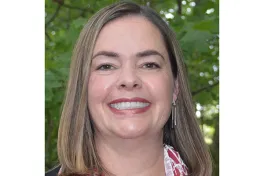
We are pleased to highlight ongoing collaborative research led by Dr. Rachael Holt, who is partnering with colleagues at Indiana University to address critical questions in speech, language, and hearing science.
One collaboration with Dr. Tessa Bent (Indiana University) focuses on accent perception and the perception of social categories in children, adolescents, and adults. This research examines how listeners interpret variation in spoken language and how accent cues shape social understanding across development. This work is supported by the National Science Foundation (NSF).
In a second collaboration, Dr. Holt works with Dr. Bill Kronenberger (Indiana University School of Medicine) and Dr. David Pisoni (Indiana University) to study the role of family environment and dynamics in spoken language and executive function outcomes among children who use cochlear implants and hearing aids. This NIH‑funded research explores how family factors influence long‑term communication and cognitive outcomes, with direct implications for intervention and support.
Together, these collaborations underscore the importance of interdisciplinary partnerships and federally funded research in advancing knowledge with meaningful clinical and societal impact.
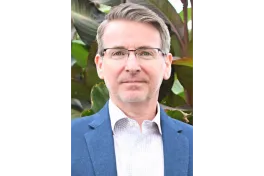
We are pleased to announce an exciting research collaboration led by Dr. Eric Healy, supported by funding from the National Institutes of Health (NIH). Dr. Healy is working alongside the world’s leading authority from the University of Cambridge to reexamine long‑held beliefs about how background noise affects the ability to understand speech. While background noise has long been considered a primary barrier to communication, emerging evidence suggests the relationship between noise and speech understanding may be more complex than previously believed.
This NIH‑funded project brings together international expertise to challenge established models of speech perception to advance a more nuanced understanding of how people process spoken language in real‑world environments. The implications of this work extend from the laboratory to everyday communication and have the potential to transform our fundamental understanding of how the auditory system processes the speech signal.
We look forward to sharing insights from this important collaboration as the research progresses.
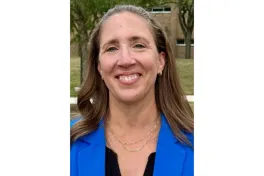
Since 2014, Dr. Jenny Lundine (The Ohio State University) and Dr. Angela Ciccia (Case Western Reserve University) have built a highly productive research partnership grounded in collaboration and impact. Together, they have authored 16 peer‑reviewed publications, secured two grants through the Ohio Department of Public Safety, and led a landmark $2.2 million CDC-funded project, with Dr. Ciccia as Principal Investigator and Dr. Lundine as Co‑Investigator. Their STATBI project is now one of the two largest federally funded efforts in the United States to formally evaluate return‑to‑school programs for students with traumatic brain injury. Most recently, they launched a new collaboration with the Brain Injury Association of Ohio to expand support for students with TBI across the state.
In addition, Dr. Lundine was recently awarded a $36,000 Partnership & Engagement Grant from the Center for Brain Injury Research & Discovery (CBIRD). With this grant, she will partner with the Brain Injury Association of Ohio (BIAOH). The purpose of this research is to engage key community partners to provide feedback on facilitators and barriers to the implementation of a new statewide care coordination designed to support Ohio youth with acquired brain injury (ABI).
The program, CIRCLE (Coordinated Intervention for Recovery, Connection, Learning, and Engagement), is a care coordination program facilitated through the Brain Injury Association of Ohio (BIAOH), and the research arm is led through Dr. Lundine’s lab at OSU. The primary objective of this research is to refine the content, delivery mechanisms, and materials used to develop the CIRCLE intervention, ensuring contextual fit within Ohio school and community pathways consistent with the best available research evidence through a series of focus groups engaging school personnel, families/survivors, relevant community members, and medical professionals. They will gather feedback from key community partners and people with lived experience on the foundational components research has identified as necessary for CIRCLE, potential barriers and facilitators to implementation in Ohio, and successful strategies with which they are familiar or may recommend.
Secondly, in collaboration with Assistant Clinical Professor Cassondra Wilson and BIAOH, they will implement the first NeuroSparksKids program in Summer 2026 for Ohio youth. (NeuroSparksKids is also featured in this newsletter edition.)
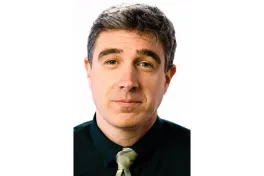
We are proud to highlight Dr. Eric Bielefeld’s latest work in collaboration with colleagues from the University of Texas Health Science Center at Houston and Ohio State's department of Otolaryngology. The article is published in Journal of Neuroscience Methods Volume 460, June 2026: 110709